These accounts follow everyday watch hours, weather turns, and quiet endurance at the edge of the northern sea.
Log pages describe the same cycle repeated: lamps cleaned before dusk, glass checked after salt-heavy winds, and repairs made between squalls. In long winter stretches, distance from shore shaped not only work, but the keeper's sense of time.
Stories of Service
Keeper profiles from the northern coast lights
Brief episodes from station ledgers, family letters, and maintenance records reveal the practical craft and quiet resolve behind each beacon.
Morning glass rounds at North Bar Light, 1912
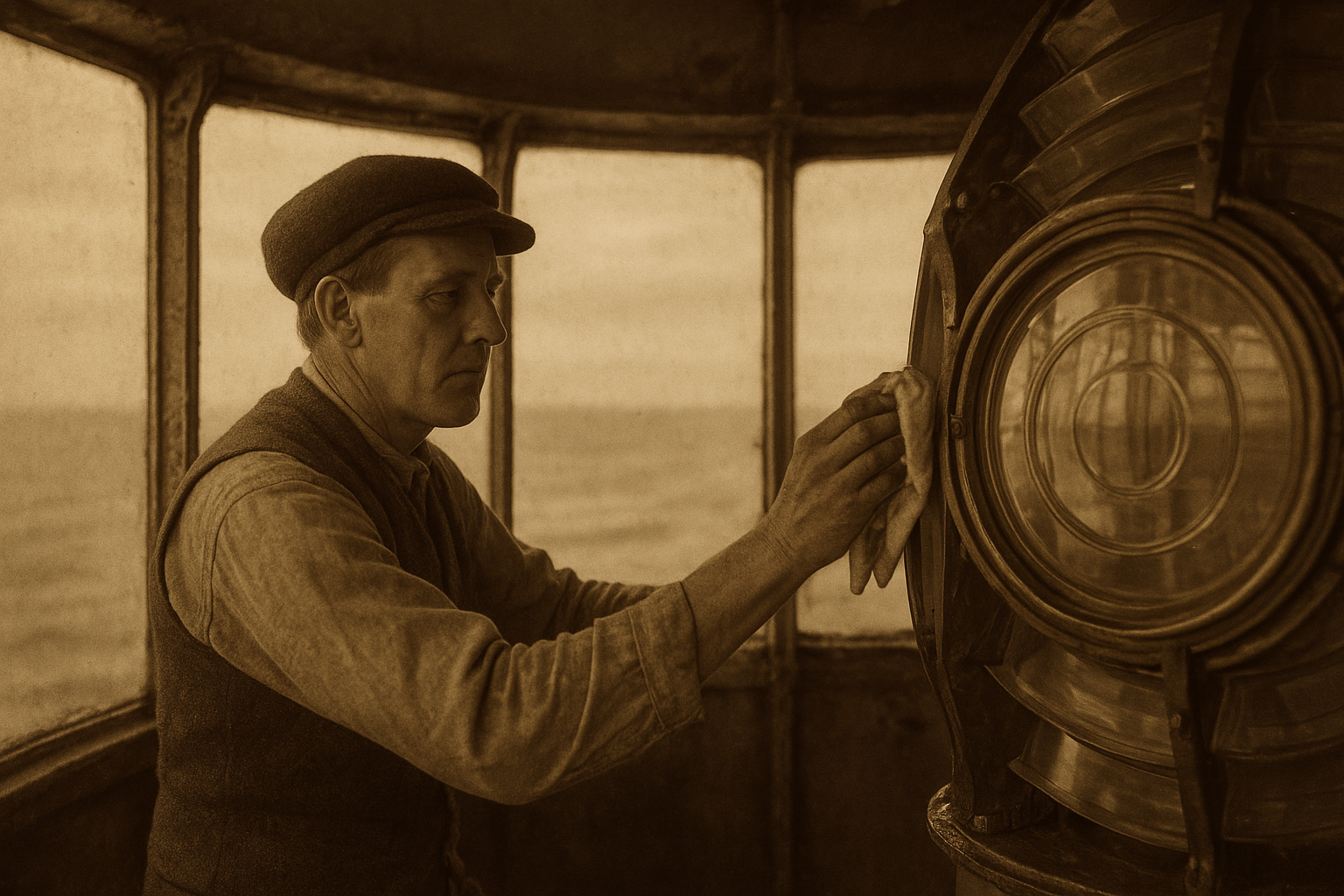
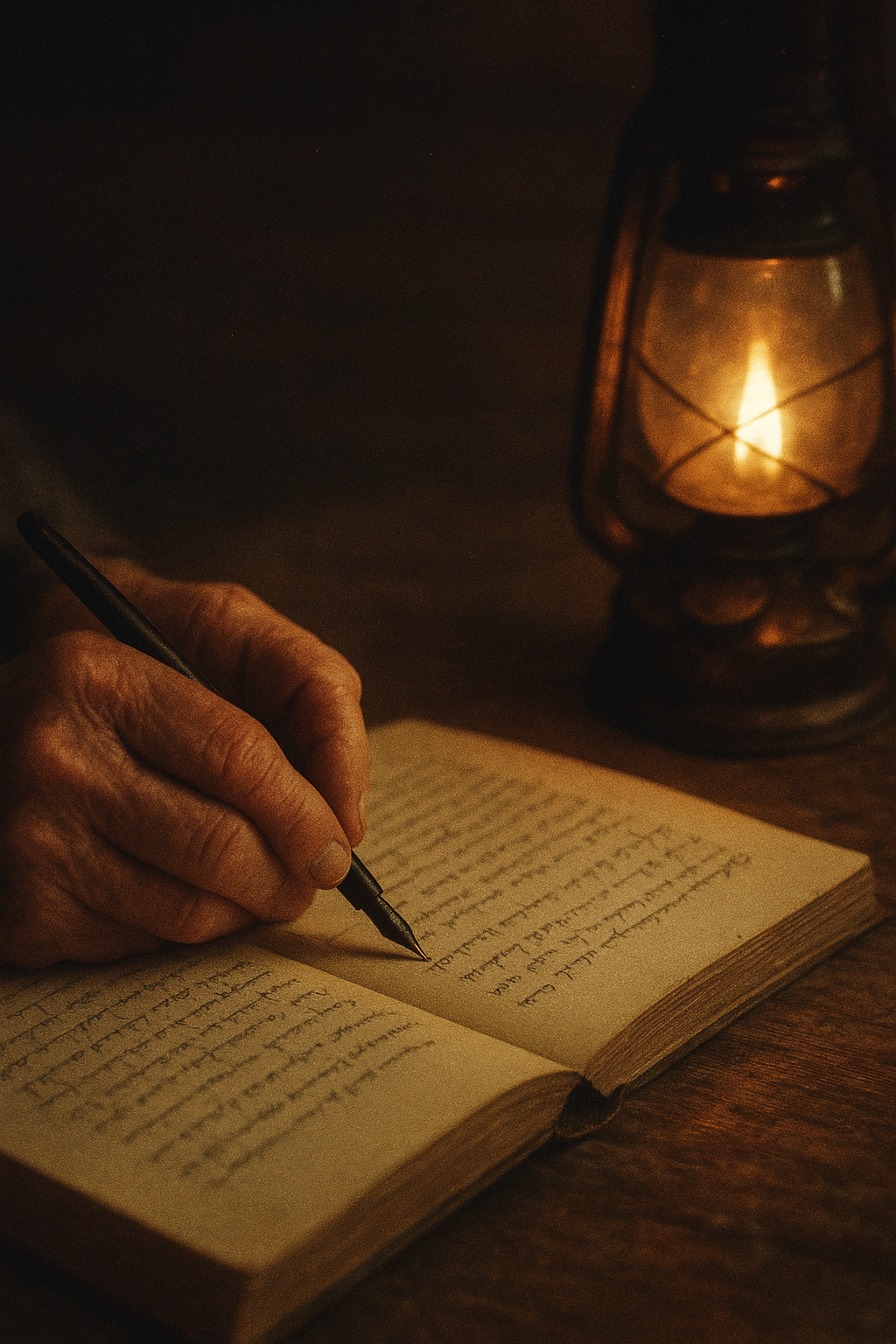
Before first boats crossed the shoals, Keeper Elias Morrow climbed the spiral stair with a canvas roll of cloths and whale-oil soap. His notebook records each pane by orientation, noting salt bloom on the east side after heavy wind.
The routine was repetitive but exacting: clear glass, check wick trim, confirm lens alignment, and log visibility at sunrise. Local pilots later described the station as “the sure eye on gray mornings.”
Winter relay shifts on the reef path, 1926
With storm surge cutting the lower path, Assistant Keeper Ruth Calder and her brother shared relay duty across six-hour turns. Their correspondence mentions lantern fuel packed in wool and carried by hand to keep metal fittings from seizing.
What survives is not dramatics but discipline: times, temperatures, repairs, and remarks on wave height. The notes show a station run by method under pressure, not by heroics alone.
Fogline watch and lamp trials at Gray Point, 1934
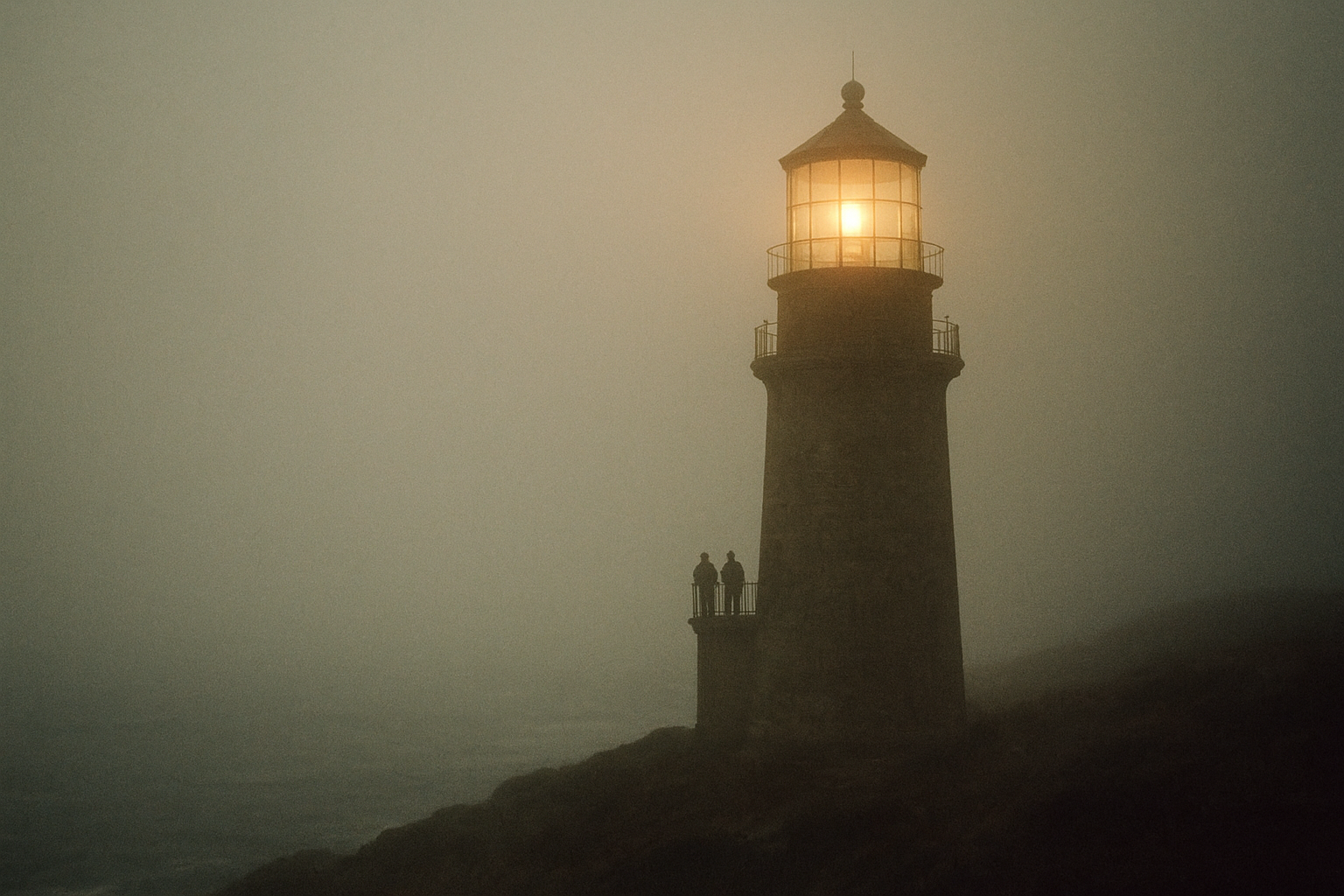
By the 1930s, keepers at Gray Point were testing replacement burners while still preserving older fittings for reliability. Entries from this period compare flame steadiness and note how quickly condensation returned during evening fogline watch.
These pages reflect transition rather than rupture: new parts introduced cautiously, with each decision measured against visibility, fuel economy, and the habits crews trusted in rough weather.
Keeper Questions
Frequently asked questions about northern coast lighthouse life
A concise reference to recurring questions from readers, students, and local researchers.
What did lighthouse keepers do each day beyond lighting the beacon?
Their routine included weather logging, cleaning lens glass, maintaining fuel stores, winding clockwork mechanisms, signaling ships in fog, and documenting coastal incidents. Much of the work was preventive care rather than emergency response.
How was the lamp maintained before electrification?
Keepers trimmed wicks, polished chimney glass, checked airflow, and monitored flame strength through the night. In many stations, lens cleaning was a daily task because salt spray and soot quickly reduced visibility.
What were storm conditions like for northern coast stations?
Winter gales brought heavy spray, low visibility, and repeated structural strain. Logbooks describe doors iced shut, lantern rooms rattling under sustained wind, and keepers working in short shifts to prevent exhaustion.
Did keeper families live at the stations year-round?
At many mainland towers, families occupied attached quarters and supported station life through cooking, repairs, and schooling. Isolation was manageable but demanding, especially during long weather closures and supply delays.
What does lighthouse preservation mean today?
Preservation combines structural conservation, archival interpretation, and responsible public access. The goal is not only to protect towers as objects, but also to retain the records, routines, and coastal context that gave them meaning.